If you’re new to the world of cannabis, you’ve likely heard the terms Indica and Sativa thrown around. These two broad categories of cannabis plants are often used to describe different strains, but what’s the real difference between them? Understanding the distinction is crucial for anyone looking to choose the right strain for their needs, whether for relaxation, creativity, or pain relief.


In this article, we’ll break down the characteristics, effects, and common uses of both Indica and Sativa strains, helping you make an informed decision next time you’re choosing a cannabis product.


Indica: The Relaxing Strain

Indica strains are often associated with relaxation and stress relief. These plants typically have broader leaves and shorter, bushier growth patterns. Originally hailing from regions with harsher climates, such as the mountainous areas of India and Afghanistan, Indica plants are designed to thrive in cooler environments, which contributes to their relaxing effects.


Key Characteristics of Indica:


  • Appearance: Indica plants tend to be shorter and bushier with wider leaves.
  • THC and CBD Content: Indicas usually have a higher CBD content and can have moderate to high levels of THC.
  • Effects: Known for their calming and sedative effects, Indicas are perfect for unwinding after a long day. They are commonly used to help with insomnia, pain relief, anxiety, and muscle spasms.
  • Common Uses: People often turn to Indica strains for evening use or before bed. They’re a great choice for anyone seeking relaxation or stress relief. If you suffer from chronic pain or need a strain to help with sleep, Indicas are often recommended.


Sativa: The Energizing Strain

Sativa strains, on the other hand, are typically associated with a more energizing and uplifting effect. These plants are taller with narrower leaves and are usually found in warmer climates like Central and South America or Southeast Asia. Sativas have evolved to grow taller and thinner, which allows them to thrive in these hot, sunny regions.


Key Characteristics of Sativa:


  • Appearance: Sativa plants are taller with narrower leaves, often growing much higher than Indicas.
  • THC and CBD Content: Sativa strains typically contain higher levels of THC, the psychoactive compound in cannabis, which leads to more intense effects. They can also contain varying levels of CBD.
  • Effects: The effects of Sativa strains are often described as more stimulating, cerebral, and euphoric. They can enhance creativity, focus, and energy, making them ideal for daytime use.
  • Common Uses: Sativas are commonly used during the day, especially for activities that require mental clarity, like working on creative projects, socializing, or physical activities. They are also used for conditions like depression, fatigue, and mood disorders.


Which One Should You Choose?

The choice between Indica and Sativa depends on your personal needs and what kind of experience you’re looking for. Here's a quick guide to help you decide:

  • Go for Indica if: You’re looking for relaxation, help with sleep, pain relief, or a calm, sedative effect.
  • Go for Sativa if: You want an energy boost, increased creativity, focus, or relief from mood disorders without feeling sedated.


Hybrid Strains: A Blend of Both Worlds

In addition to pure Indica and Sativa strains, there are also hybrid strains, which combine the characteristics of both. These can be balanced or lean more toward one type, offering a range of effects depending on your needs. Many cannabis users enjoy hybrids because they offer the best of both worlds—relaxation with a bit of energy, or pain relief with a touch of euphoria.


Conclusion

Understanding the difference between Indica and Sativa strains is a great starting point for selecting the right cannabis for your lifestyle. Indica strains are ideal for relaxation and sleep, while Sativa strains offer energy and mental clarity. No matter which type you choose, there’s a perfect strain for every occasion.


So next time you’re browsing at Grandma’s Pot Shop or any dispensary, remember: Indica is for winding down, while Sativa is for taking on the day with energy and focus. And if you're unsure, hybrids offer a fantastic option to blend both experiences.


Ready to explore more cannabis strains? Browse our collection at Grandma’s Pot Shop for premium Indica, Sativa, and hybrid options tailored to your preferences. Whether you’re new to cannabis or an experienced user, we have something for everyone!

February 17, 2026
A guide to cannabis allergies and symptoms 
February 17, 2026
Study: ADHD patients benefited from medical cannabis 
February 17, 2026
Why body weight and THC have a impact on your high
By Hazel N February 17, 2026
Can cannabis help your workout? 
February 17, 2026
Why do we get cotton mouth, and how to get rid of it or avoid it?
February 17, 2026
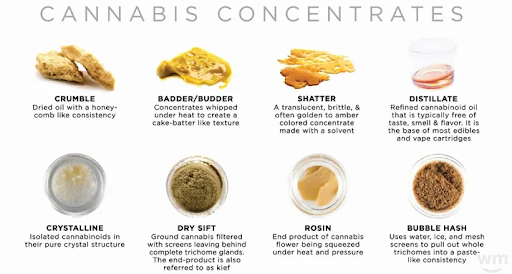
Cannabis Concentrates
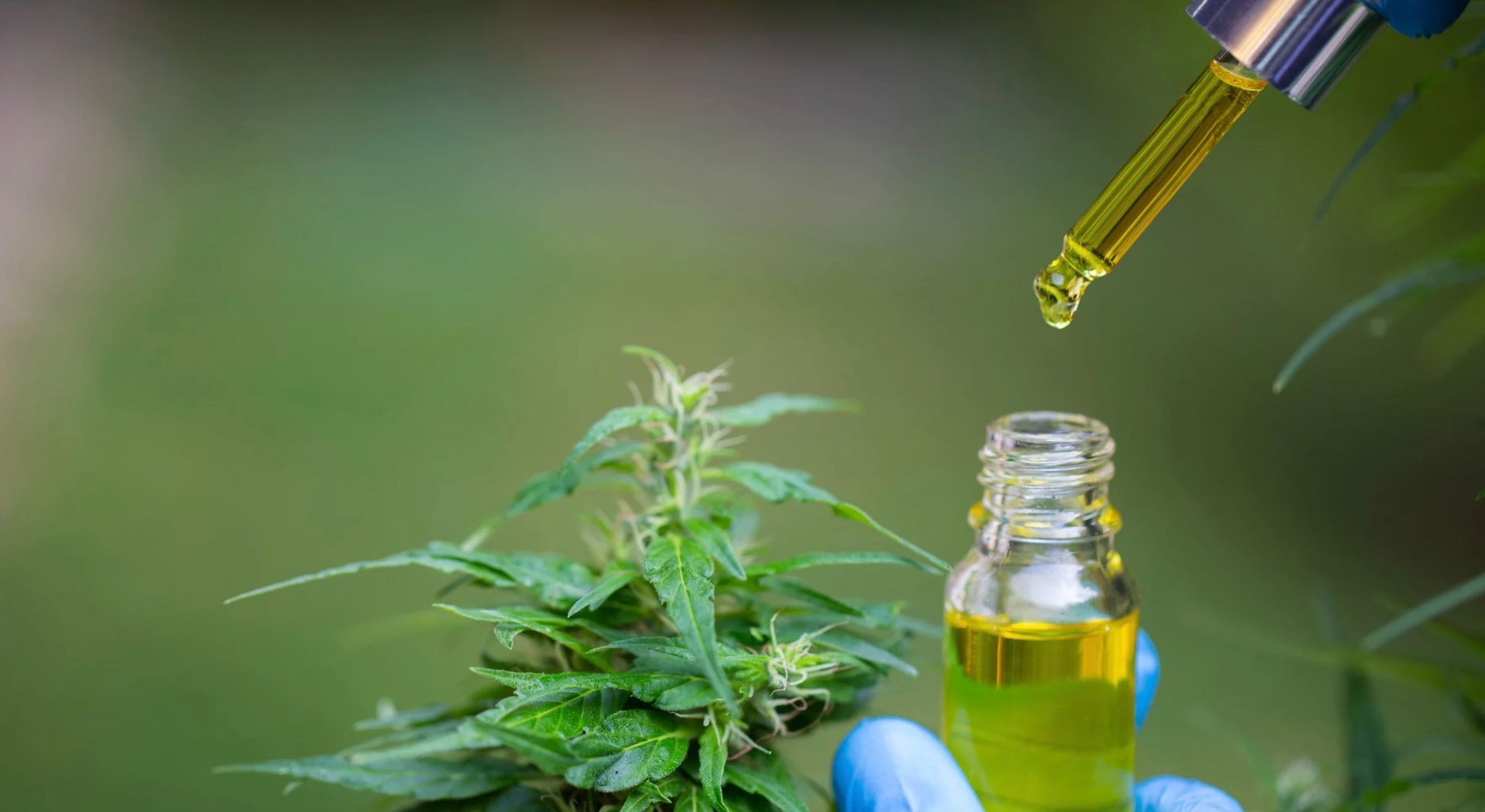
CBD oil dropper with a bottle and cannabis plant in a blurred green background.
November 6, 2025
Explore the benefits of Cannabis MCT Oil with 'A Grandma's Guide.' Learn how this natural supplement can support wellness and enhance overall health in an easy way.
Green cannabis plant with serrated leaves against a black background.
October 31, 2025
When you’re new to cannabis, the terminology surrounding quantities can be a bit overwhelming. Whether you’re purchasing cannabis from a dispensary or just trying to understand how much you’re getting, it’s important to know the common measurements used in the cannabis world. This simple guide will break down the most common cannabis quantities, such as an eighth, a quarter, and an ounce, so you’ll feel confident next time you’re buying or talking about cannabis. Let's make sense of these measurements, and provide a helpful visual guide along the way! Common Cannabis Quantities Cannabis is typically sold in standard measurements, with each quantity representing a specific amount of cannabis flower (the buds of the plant). The most common units you'll encounter are the gram, eighth, quarter, half, and ounce. Here's what each one means: 1. The Gram (1g) What it is : A gram is the smallest unit of cannabis you’ll usually find. It's a single, small measurement that is commonly used for personal, one-time use or for sampling a new strain. How much is it? : Approximately one or two small-sized buds, depending on their density. A gram typically provides about one to two joints or small bowls for a pipe or vaporizer. Best for : Trying a new strain, light users, or those who don’t smoke often. 2. The Eighth (1/8 oz) What it is : An eighth refers to one-eighth of an ounce, which is equivalent to 3.5 grams of cannabis. How much is it? Roughly 3 to 4 small-sized buds, depending on their size. About 3-4 joints or several bowls for a pipe/vaporizer. Best for : Casual smokers or those who want a small but sufficient supply. It’s a common purchase size for those just getting started with cannabis. 3. The Quarter (1/4 oz) What it is : A quarter is one-quarter of an ounce, or 7 grams of cannabis. How much is it? About 7 to 8 medium-sized buds. Typically provides enough cannabis for 7-10 joints or numerous bowls, depending on your usage. Best for : Regular users who need a bit more supply without committing to a full ounce. Ideal for those who smoke several times a week. 4. The Half (1/2 oz) What it is : A half ounce equals 14 grams of cannabis. How much is it? 14 grams, which is double the amount in a quarter. It’s enough for approximately 14-20 joints or many sessions with a pipe or vaporizer. Best for : Those who consume cannabis more frequently and prefer to buy in bulk to save money or avoid frequent trips to the dispensary. 5. The Ounce (1 oz) What it is : An ounce (abbreviated as oz) is the largest standard unit in the cannabis world. It equals 28 grams of cannabis. How much is it? About 28 grams, or 28 average-sized buds. An ounce is usually enough for 28 to 40 joints, depending on how much you use per joint. Best for : Heavy users, people who want to stock up, or those who share cannabis with others. Purchasing in larger quantities typically comes with a price break, making it more cost-effective for regular users. Understanding Cannabis Measurements Visually Here’s a quick visual guide to help you better understand cannabis quantities. 1 Gram (1g) – A small, one-time use amount. About 1-2 small buds. 1 Eighth (3.5g) – A handful of buds, enough for a few joints. 1 Quarter (7g) – Double the size of an eighth. A good supply for casual users. 1 Half (14g) – A significant amount. Ideal for frequent users. 1 Ounce (28g) – A full stockpile, enough for many sessions or a group. What About Concentrates and Edibles? You might also encounter cannabis concentrates and edibles, which are typically measured in milligrams (mg) rather than grams or ounces. Here’s a quick breakdown of how they are measured: Concentrates : These are more potent forms of cannabis (like wax, shatter, or oil), and they're usually sold in gram or half-gram increments. Edibles : Edibles are measured by their THC content. Common doses range from 5 mg to 10 mg of THC per serving, with stronger edibles having 100 mg or more. Tips for Buying Cannabis Start Small : If you’re new to cannabis, start with smaller quantities like an eighth or a gram. This will give you a chance to try different strains and find what works best for you. Know Your Usage : If you only consume cannabis occasionally, a gram or eighth may be enough for you. But if you’re a daily user, you might want to consider a quarter or half ounce to avoid having to purchase frequently. Quality Over Quantity : Sometimes it’s better to invest in higher-quality cannabis rather than larger quantities of lower-quality options. Choose what best fits your preferences and needs. Conclusion Now that you have a better understanding of cannabis quantities, you’ll be more confident in choosing the right amount for your needs. Whether you’re picking up a small gram or stocking up with an ounce, knowing how much you’re purchasing helps you stay informed and make the best decisions for your cannabis use. If you're ready to explore different strains or find the perfect amount for your personal consumption, head over to Grandma’s Pot Shop. We offer a variety of products in different quantities, so you can find what works best for you. Happy shopping, and remember—knowledge is key to enjoying your cannabis experience!
Person dispensing oil from a dropper onto their wrist, bottle in hand, in a kitchen.
October 17, 2025
Cannabis tinctures are becoming increasingly popular among cannabis users, especially those who are seeking a discreet, smoke-free, and effective way to enjoy the benefits of cannabis. Whether you’re looking for an alternative to smoking or edibles, tinctures offer a unique method of consumption that’s easy to dose and offers fast-acting effects. But what exactly are cannabis tinctures, how do you make them, and how should you use them? Let’s dive into the world of tinctures and explore everything you need to know. What is a Cannabis Tincture? A cannabis tincture is a liquid extract of cannabis, typically made by soaking cannabis in alcohol or a glycerin solution. This process allows the active compounds in cannabis—such as THC and CBD—to be absorbed into the liquid, creating a potent and easy-to-consume form of cannabis. Tinctures are usually taken sublingually (under the tongue), which allows for faster absorption into the bloodstream compared to other methods of consumption. Tinctures have been around for centuries, long before the rise of smoking or edible cannabis products. They were once a common remedy for a variety of health issues, and now they’re making a comeback, particularly among those looking for a more controlled and discreet way to consume cannabis. How to Make Cannabis Tinctures Making your own cannabis tincture at home is relatively simple, but it requires some patience. You’ll need a few basic ingredients and supplies, including high-proof alcohol (like Everclear), cannabis, and a container for storing the tincture. Here’s a step-by-step guide on how to make your own cannabis tincture: Ingredients: High-proof alcohol (Everclear is commonly used, but any alcohol over 100 proof will work) Cannabis (choose a strain based on your desired effects—high THC for potency or high CBD for therapeutic use) A jar with a tight-fitting lid Cheesecloth or coffee filter (for straining) A glass dropper bottle (for storing the tincture) Instructions: Decarboxylate the Cannabis : Before making the tincture, you’ll need to activate the THC and CBD in your cannabis by decarboxylating it. To do this, simply break up the cannabis buds and spread them evenly on a baking sheet. Bake at 240°F (115°C) for about 30-40 minutes, checking frequently to ensure it doesn’t burn. This step is crucial for activating the compounds in the cannabis. Combine the Cannabis and Alcohol : Place your decarboxylated cannabis in a jar, and pour enough alcohol over it to completely cover the plant material. Seal the jar tightly and shake it well to mix. Let it Infuse : Store the jar in a cool, dark place for about 2-3 weeks. Shake the jar once or twice a day to ensure the cannabis is well-mixed with the alcohol. Strain the Tincture : After 2-3 weeks, strain the tincture through a cheesecloth or coffee filter to remove the plant material. The liquid left behind is your cannabis tincture. Store and Label : Transfer the tincture into a glass dropper bottle for easy dosing. Be sure to label the bottle with the date and the strain used. How to Consume Cannabis Tinctures Tinctures are most commonly consumed sublingually (under the tongue), which allows the cannabinoids to enter your bloodstream quickly for fast-acting effects. This method is also discreet, making tinctures a great option for those who want to consume cannabis without smoking or eating edibles. To take a tincture: Shake the Bottle : Shake your tincture bottle well before use to ensure the cannabis extract is evenly distributed. Place Under the Tongue : Use the dropper to place the desired amount of tincture under your tongue. Hold it there for about 30 seconds to a minute before swallowing. This allows the cannabinoids to be absorbed through the mucous membranes in your mouth for faster onset. Start Slow : If you’re new to tinctures, start with a small dose (about 1-2 drops) and wait at least 30 minutes to gauge the effects before taking more. You can always increase the dose later if needed. How to Dose Cannabis Tinctures Safely Dosing cannabis tinctures can be a bit tricky, as the potency can vary based on how it’s made and the concentration of cannabis used. The best part about tinctures is that you can control the dosage more easily compared to smoking or edibles. Here’s how to dose safely: Start Low and Slow : If you’re new to tinctures or cannabis in general, it’s always best to start with a low dose. Begin with 1-2 drops under the tongue and wait for at least 30 minutes to see how you feel. The effects from tinctures can take up to an hour to fully kick in, so be patient. Gradually Increase : If you don’t feel the desired effects after your initial dose, increase your dosage by one drop at a time until you find the right amount for you. Keep track of your doses and how they make you feel to find the optimal dosage. Know the THC Content : When buying tinctures from a dispensary, be sure to check the THC (or CBD) content on the label. Most tinctures will clearly state how many milligrams of THC or CBD are in each milliliter of the tincture. This will help you better understand the potency and make more informed dosing decisions. Why Choose Cannabis Tinctures? Cannabis tinctures offer several advantages over other consumption methods, including: Discreet : Tinctures are odorless and easy to carry, making them a discreet option for consuming cannabis. Fast-acting : When taken sublingually, tinctures are absorbed into your bloodstream quickly, offering faster effects than edibles. Easy to Dose : The dropper allows for precise dosing, making it easier to control the amount you’re consuming. No Smoking : For those who want to avoid smoking or vaping, tinctures are a smoke-free option that still provides the therapeutic benefits of cannabis. Conclusion Cannabis tinctures are a versatile, discreet, and effective way to consume cannabis, offering a smoke-free alternative to smoking or edibles. Whether you’re making your own tincture at home or purchasing a ready-made product from a dispensary, tinctures allow for precise dosing and quick, efficient absorption. If you're looking for a way to enjoy cannabis without smoking or eating edibles, tinctures could be the perfect solution. Remember to start with a low dose and gradually increase as needed to find the right balance for your body. And as always, when in doubt, consult with a healthcare provider or dispensary expert to ensure you're using tinctures safely and effectively.  Ready to explore more cannabis products? Visit Grandma’s Pot Shop for a selection of high-quality tinctures and other cannabis products to suit your needs!
A dab of amber cannabis concentrate on a metal tool, with a drop forming at the bottom.
October 3, 2025
Rick Simpson Oil, or RSO, is a potent cannabis extract that has gained widespread attention in the medical cannabis community due to its reported health benefits. Named after Canadian medical marijuana activist Rick Simpson, RSO is often touted as a miracle oil for treating a variety of conditions, from chronic pain to cancer. But what exactly is Rick Simpson Oil? How is it made, and what are its uses? And, most importantly, how do you use it safely? In this comprehensive guide, we’ll dive into everything you need to know about RSO, from its origins to its potential benefits and risks. What is Rick Simpson Oil (RSO)? Rick Simpson Oil (RSO) is a concentrated cannabis oil made using a special extraction method developed by Rick Simpson himself. Unlike other cannabis oils, RSO is highly potent, containing a high concentration of THC, the main psychoactive compound in cannabis. It’s often used by medical cannabis patients who need a more intense and concentrated form of treatment. RSO is typically a thick, dark oil, and its high THC content means it’s very powerful. Because of its potency, RSO is typically used for specific medical conditions, and it’s known for being a full-spectrum extract, meaning it contains a wide range of cannabinoids, terpenes, and other beneficial compounds found in the cannabis plant. The Origins of Rick Simpson Oil Rick Simpson, a Canadian medical marijuana activist, first developed RSO in the early 2000s as part of his own battle with cancer. After being diagnosed with skin cancer, Simpson began experimenting with cannabis to find a natural alternative to the harsh treatments prescribed by his doctors. He used the cannabis oil topically and also consumed it, and he claims to have successfully cured his own cancer through this treatment. This led to his advocacy for the medicinal use of cannabis, and he began sharing his method for making cannabis oil with the public, eventually popularizing it as Rick Simpson Oil. Simpson’s claims sparked a widespread interest in RSO, though it's important to note that while many people have reported benefits, there is still a lack of scientific research to definitively prove its effectiveness for cancer treatment. How is RSO Made? Making RSO involves extracting the cannabinoids and other compounds from cannabis flowers using a solvent, typically ethanol, although other solvents like butane or isopropyl alcohol can also be used. Here’s a general overview of the process: Choosing the Cannabis : RSO is made using high-quality cannabis flowers. The cannabis is typically high in THC, but strains with higher CBD content can also be used, depending on the desired effects. Extraction Process : The cannabis is soaked in a solvent, which dissolves the cannabinoids, terpenes, and other compounds. The mixture is then filtered to remove plant material, leaving behind a concentrated oil. Evaporation : The solvent is evaporated off, leaving behind the thick, sticky cannabis oil. Final Product : The final product is a potent, dark-colored oil that can be consumed orally, applied topically, or even used in vaporizer pens. It’s important to note that making RSO at home can be dangerous, as it involves flammable solvents. It’s best to purchase RSO from a reputable dispensary to ensure the product is safe and free from contaminants. What Are the Purported Uses of RSO? Rick Simpson Oil has become famous for its purported health benefits. While scientific research on its medical uses is still ongoing, RSO is most commonly used to help manage the following conditions: Pain Management : RSO’s high THC content makes it effective in relieving chronic pain, particularly pain from conditions like arthritis, fibromyalgia, and multiple sclerosis. Cancer Treatment : RSO is often touted as a potential cancer treatment, with many users claiming that it helped them fight cancer. However, it’s important to note that scientific studies have not definitively proven that RSO can cure or treat cancer. Sleep Disorders : Due to its calming effects, RSO is often used to help with insomnia and other sleep disorders. Anxiety and Stress : Some people use RSO for its potential to alleviate anxiety, stress, and even symptoms of PTSD. Skin Conditions : RSO can be applied topically to help with skin conditions like eczema, psoriasis, and even acne. Its anti-inflammatory properties may provide relief for various skin irritations. While these uses are widely reported, it’s crucial to consult a healthcare professional before using RSO, especially for serious medical conditions like cancer. How to Dose Rick Simpson Oil Safely Because of its potency, dosing RSO safely is critical. It’s recommended to start with a very small amount, typically the size of a rice grain (around 0.1–0.2 grams), and gradually increase the dose as your body adjusts. Here are some general guidelines for dosing RSO: Start Small : Begin with a very small dose, as RSO is highly concentrated. A typical starting dose is about the size of a grain of rice (around 0.1–0.2 grams). Increase Gradually : As your body builds tolerance, you can slowly increase your dosage. Some people work their way up to 1 gram per day, but it’s important to listen to your body and consult a healthcare professional. Take It Slow : RSO can be taken orally, but it’s best to take it slowly, allowing at least 90 minutes before deciding to take more. The effects of RSO can be intense, and it’s better to err on the side of caution. Consult a Professional : If you’re considering RSO for medical use, especially for serious conditions like cancer, it’s important to work with a healthcare provider who is knowledgeable about cannabis and can guide you through proper dosing. Conclusion Rick Simpson Oil has become an iconic product in the cannabis world, known for its potency and potential health benefits. Whether you’re interested in RSO for pain relief, sleep issues, or its potential to manage other health conditions, it’s important to approach it with caution. Always start with a low dose, consult with a healthcare provider, and ensure you’re using a high-quality product from a trusted source. RSO may offer potential benefits, but like any medicinal treatment, it’s essential to do your own research and proceed carefully. If you’re looking for premium cannabis products, Grandma’s Pot Shop has you covered with high-quality oils and extracts to meet your needs.
Show More