Beyond THC: What Are Terpenes and Why Do They Dictate Your High?
September 28, 2026

If you’ve ever bought a strain because the label said it had 30% THC, only to find that it gave you a completely different experience than another strain with the exact same THC percentage, you’ve met the mystery ingredient: terpenes.


While cannabinoids like THC and CBD get most of the spotlight, terpenes are the unsung heroes of the cannabis plant. They are the organic compounds responsible for the distinct aromas, flavors, and—most importantly—the specific effects you feel.

What Actually Are Terpenes?
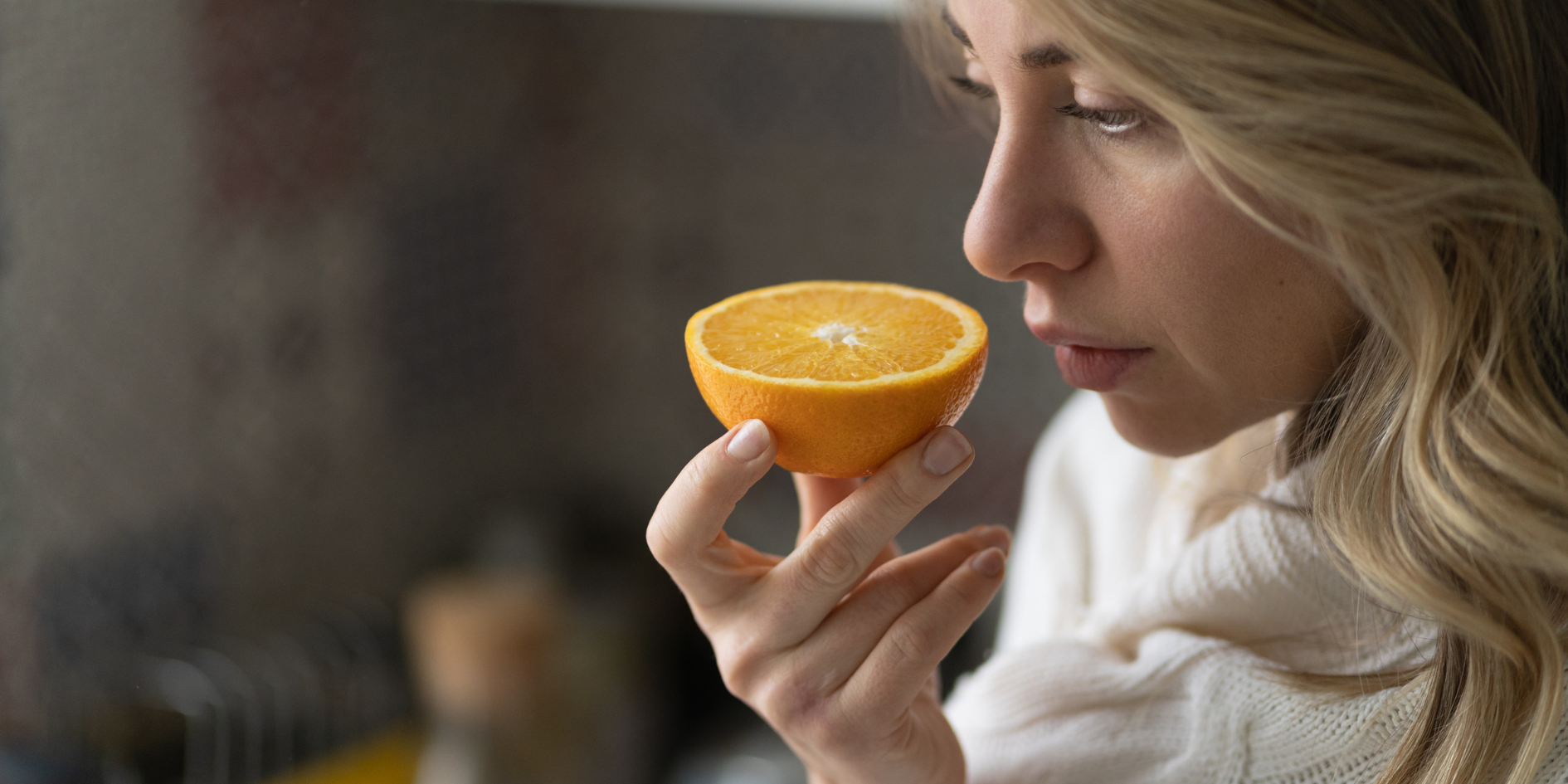
Terpenes aren't unique to cannabis; they are naturally occurring chemical compounds found all over nature. They’re what give lavender its relaxing scent, pine trees their crisp aroma, and lemons their sharp citrus punch.


In the cannabis plant, terpenes develop in the trichomes (those tiny, crystal-like glands covering the buds). Evolutionary botanists believe plants originally produced these strong aromas to deter pests, but for us, they create a personalized sensory and physiological experience

The "Entourage Effect"

Why do terpenes matter so much? Scientists call it the Entourage Effect. This is the theory that cannabinoids and terpenes work together synergistically.


Instead of THC acting entirely alone, terpenes modify how cannabinoids bind to receptors in your body. This is why a strain high in Myrcene feels entirely different from one high in Limonene, even if their potency numbers are identical.

THC Effects Can Feel Different by Product Type


Vapes, edibles, tinctures, concentrates, and cartridges can all affect people differently. Some users notice dry mouth soon after vaping. Others feel it later after eating an edible because edibles take longer to process.


If you are comparing cannabis edibles in Albuquerque, NM, pay attention to serving size, THC content, and how long the effects may last. Edibles can feel stronger than expected when taken too quickly or stacked before the first serving fully kicks in.


Meet the Top Terpenes to Look For


  • Myrcene (Earth, Musk, Cloves):
  • Where it’s found: Mangoes, hops, lemongrass.
  • The Vibe: Often associated with the classic "couch-lock" relaxation. It’s deeply soothing and is frequently sought out for evening wind-downs.
  • Limonene (Citrus, Lemon, Orange):
  • Where it’s found: Fruit rinds, peppermint.
  • The Vibe: Uplifting and mood-boosting. Strains rich in limonene are typically chosen by people looking for a bright, clear-headed daytime lift.
  • Caryophyllene (Peppery, Spice, Woody):
  • Where it’s found: Black pepper, cinnamon, cloves.
  • The Vibe: Unique because it's the only terpene known to bind directly to your body's CB2 cannabinoid receptors, making it a favorite for physical relief.
  • Linalool (Floral, Lavender, Sweet):
  • Where it’s found: Lavender, birch bark.
  • The Vibe: Calming and floral. It’s known for promoting tranquility and easing tension.
  • Pinene (Pine, Rosemary, Fir):
  • Where it’s found: Pine needles, rosemary, basil.
  • The Vibe: Sharp and refreshing. Some users find pinene helps promote alertness and memory retention while counteracting some of the short-term memory cloudiness associated with heavy THC.


hydration tips for cannabis dry mouth


How to Use Terpenes to Choose Your Next Strain


Next time you're shopping our menu, don't just look at the THC percentage. Ask your budtender or check the label for the dominant terpene profile:


  1. Looking for focus or a daytime boost? Look for Limonene and Pinene.
  2. Looking to unwind after a long week? Look for Myrcene and Linalool.
  3. Looking for body comfort? Look for Caryophyllene.


Curious about which terpenes are in your favorite strains? Stop by Grandma's Pot Shop in Peralta or explore our menu online to find your ideal aromatic match!

A Weekend Guide to Peralta and Valencia County
September 30, 2026
Looking to map out a relaxing weekend in Valencia County? Here is our locals' guide to enjoying the best scenic views, bites, and laid-back vibes right around Peralta and the Rio Grande Valley.
cannabis side effects relief
June 29, 2026
Need cannabis side effects relief for dry mouth? Learn hydration tips and THC effects from Grandmas Pot Shop LLC in Albuquerque.
February 17, 2026
A guide to cannabis allergies and symptoms 
February 17, 2026
Study: ADHD patients benefited from medical cannabis 
February 17, 2026
Why body weight and THC have a impact on your high
By Hazel N • February 17, 2026
Can cannabis help your workout? 
February 17, 2026
Why do we get cotton mouth, and how to get rid of it or avoid it?
February 17, 2026
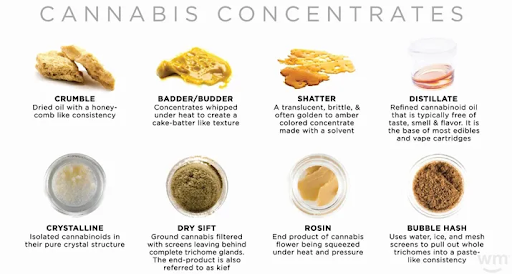
Cannabis Concentrates
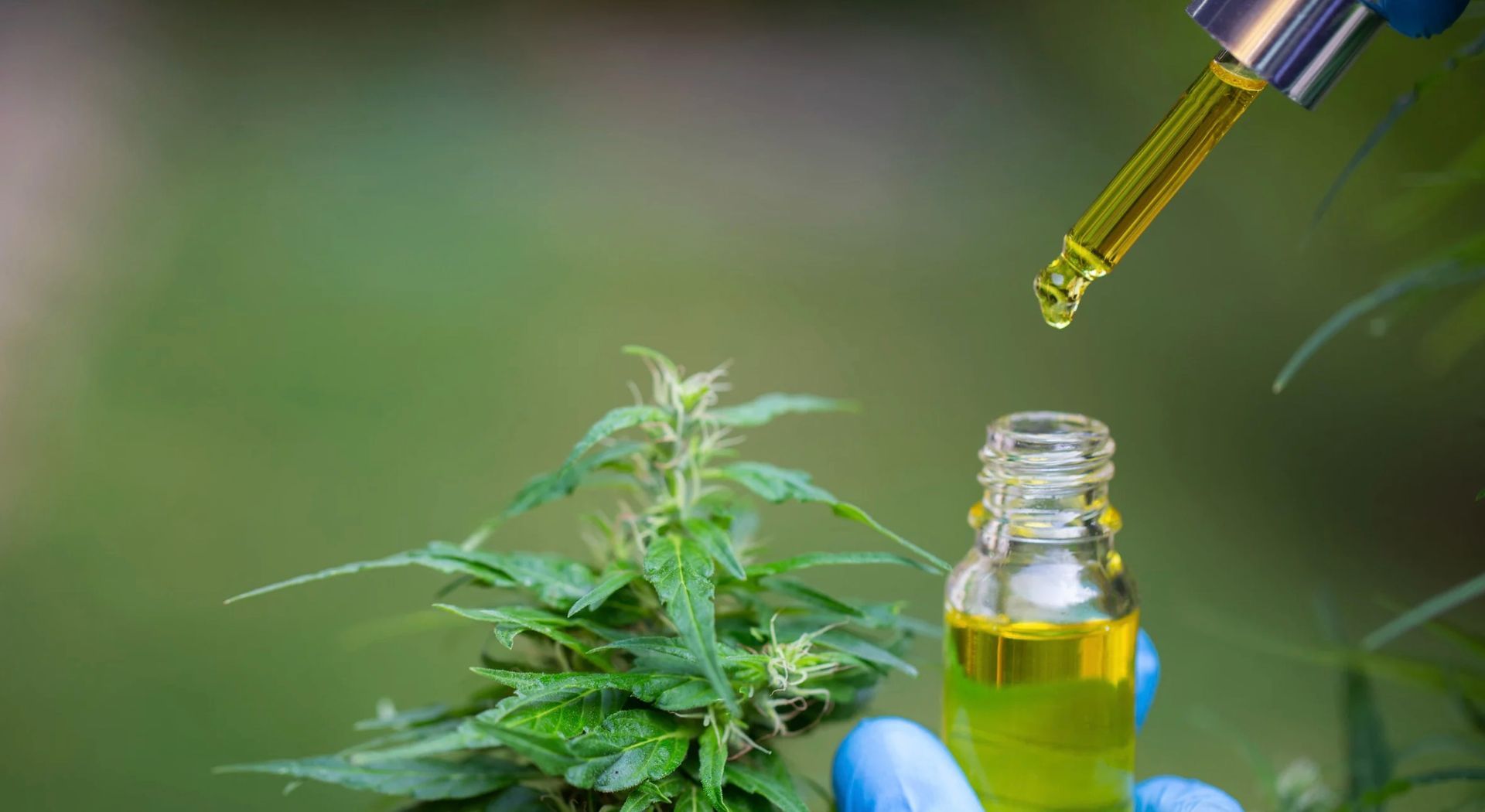
CBD oil dropper with a bottle and cannabis plant in a blurred green background.
November 6, 2025
Explore the benefits of Cannabis MCT Oil with 'A Grandma's Guide.' Learn how this natural supplement can support wellness and enhance overall health in an easy way.
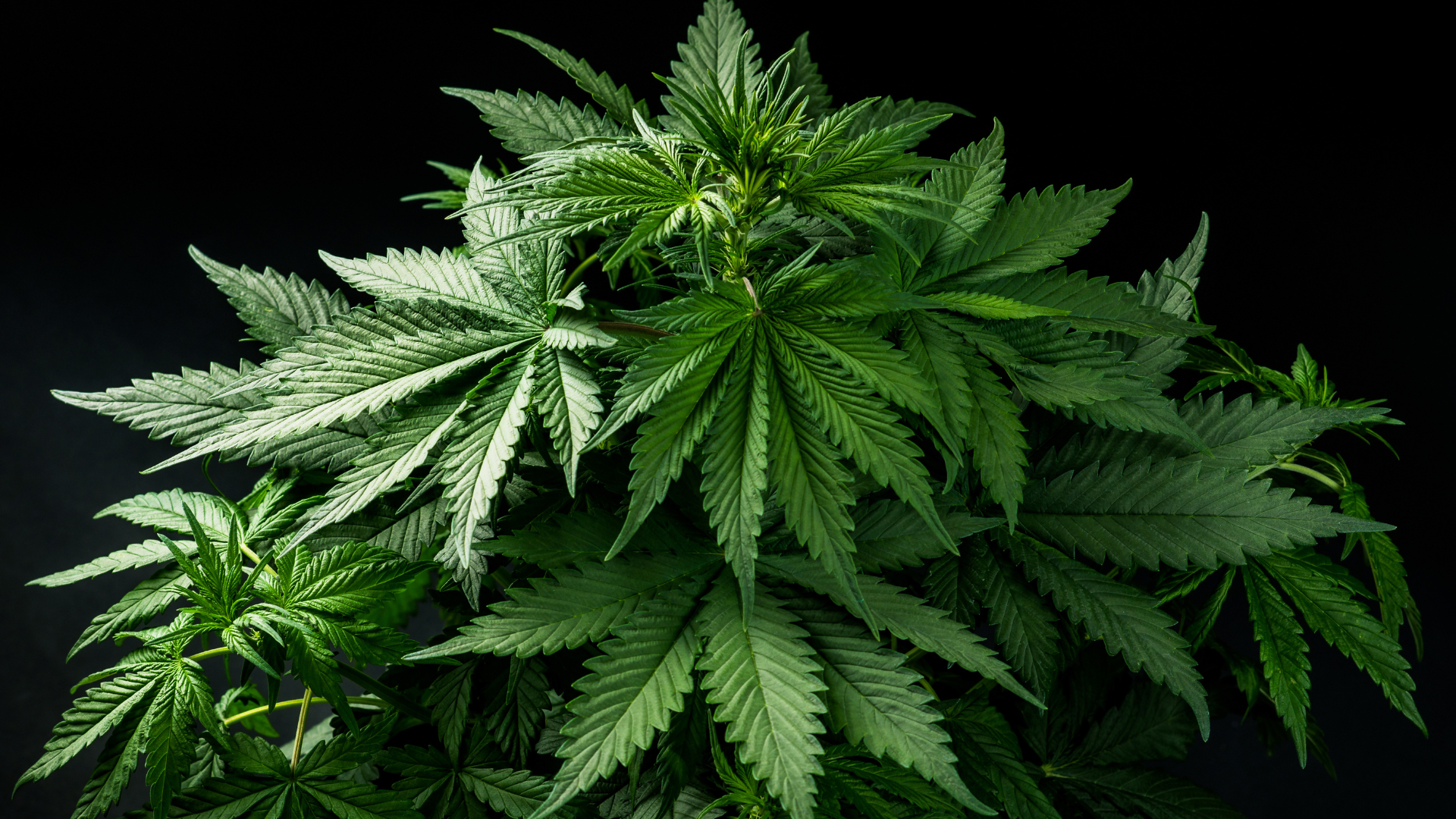
Green cannabis plant with serrated leaves against a black background.
October 31, 2025
When you’re new to cannabis, the terminology surrounding quantities can be a bit overwhelming. Whether you’re purchasing cannabis from a dispensary or just trying to understand how much you’re getting, it’s important to know the common measurements used in the cannabis world. This simple guide will break down the most common cannabis quantities, such as an eighth, a quarter, and an ounce, so you’ll feel confident next time you’re buying or talking about cannabis. Let's make sense of these measurements, and provide a helpful visual guide along the way! Common Cannabis Quantities Cannabis is typically sold in standard measurements, with each quantity representing a specific amount of cannabis flower (the buds of the plant). The most common units you'll encounter are the gram, eighth, quarter, half, and ounce. Here's what each one means: 1. The Gram (1g) What it is : A gram is the smallest unit of cannabis you’ll usually find. It's a single, small measurement that is commonly used for personal, one-time use or for sampling a new strain. How much is it? : Approximately one or two small-sized buds, depending on their density. A gram typically provides about one to two joints or small bowls for a pipe or vaporizer. Best for : Trying a new strain, light users, or those who don’t smoke often. 2. The Eighth (1/8 oz) What it is : An eighth refers to one-eighth of an ounce, which is equivalent to 3.5 grams of cannabis. How much is it? Roughly 3 to 4 small-sized buds, depending on their size. About 3-4 joints or several bowls for a pipe/vaporizer. Best for : Casual smokers or those who want a small but sufficient supply. It’s a common purchase size for those just getting started with cannabis. 3. The Quarter (1/4 oz) What it is : A quarter is one-quarter of an ounce, or 7 grams of cannabis. How much is it? About 7 to 8 medium-sized buds. Typically provides enough cannabis for 7-10 joints or numerous bowls, depending on your usage. Best for : Regular users who need a bit more supply without committing to a full ounce. Ideal for those who smoke several times a week. 4. The Half (1/2 oz) What it is : A half ounce equals 14 grams of cannabis. How much is it? 14 grams, which is double the amount in a quarter. It’s enough for approximately 14-20 joints or many sessions with a pipe or vaporizer. Best for : Those who consume cannabis more frequently and prefer to buy in bulk to save money or avoid frequent trips to the dispensary. 5. The Ounce (1 oz) What it is : An ounce (abbreviated as oz) is the largest standard unit in the cannabis world. It equals 28 grams of cannabis. How much is it? About 28 grams, or 28 average-sized buds. An ounce is usually enough for 28 to 40 joints, depending on how much you use per joint. Best for : Heavy users, people who want to stock up, or those who share cannabis with others. Purchasing in larger quantities typically comes with a price break, making it more cost-effective for regular users. Understanding Cannabis Measurements Visually Here’s a quick visual guide to help you better understand cannabis quantities. 1 Gram (1g) – A small, one-time use amount. About 1-2 small buds. 1 Eighth (3.5g) – A handful of buds, enough for a few joints. 1 Quarter (7g) – Double the size of an eighth. A good supply for casual users. 1 Half (14g) – A significant amount. Ideal for frequent users. 1 Ounce (28g) – A full stockpile, enough for many sessions or a group. What About Concentrates and Edibles? You might also encounter cannabis concentrates and edibles, which are typically measured in milligrams (mg) rather than grams or ounces. Here’s a quick breakdown of how they are measured: Concentrates : These are more potent forms of cannabis (like wax, shatter, or oil), and they're usually sold in gram or half-gram increments. Edibles : Edibles are measured by their THC content. Common doses range from 5 mg to 10 mg of THC per serving, with stronger edibles having 100 mg or more. Tips for Buying Cannabis Start Small : If you’re new to cannabis, start with smaller quantities like an eighth or a gram. This will give you a chance to try different strains and find what works best for you. Know Your Usage : If you only consume cannabis occasionally, a gram or eighth may be enough for you. But if you’re a daily user, you might want to consider a quarter or half ounce to avoid having to purchase frequently. Quality Over Quantity : Sometimes it’s better to invest in higher-quality cannabis rather than larger quantities of lower-quality options. Choose what best fits your preferences and needs. Conclusion Now that you have a better understanding of cannabis quantities, you’ll be more confident in choosing the right amount for your needs. Whether you’re picking up a small gram or stocking up with an ounce, knowing how much you’re purchasing helps you stay informed and make the best decisions for your cannabis use. If you're ready to explore different strains or find the perfect amount for your personal consumption, head over to Grandma’s Pot Shop. We offer a variety of products in different quantities, so you can find what works best for you. Happy shopping, and remember—knowledge is key to enjoying your cannabis experience!
Show More